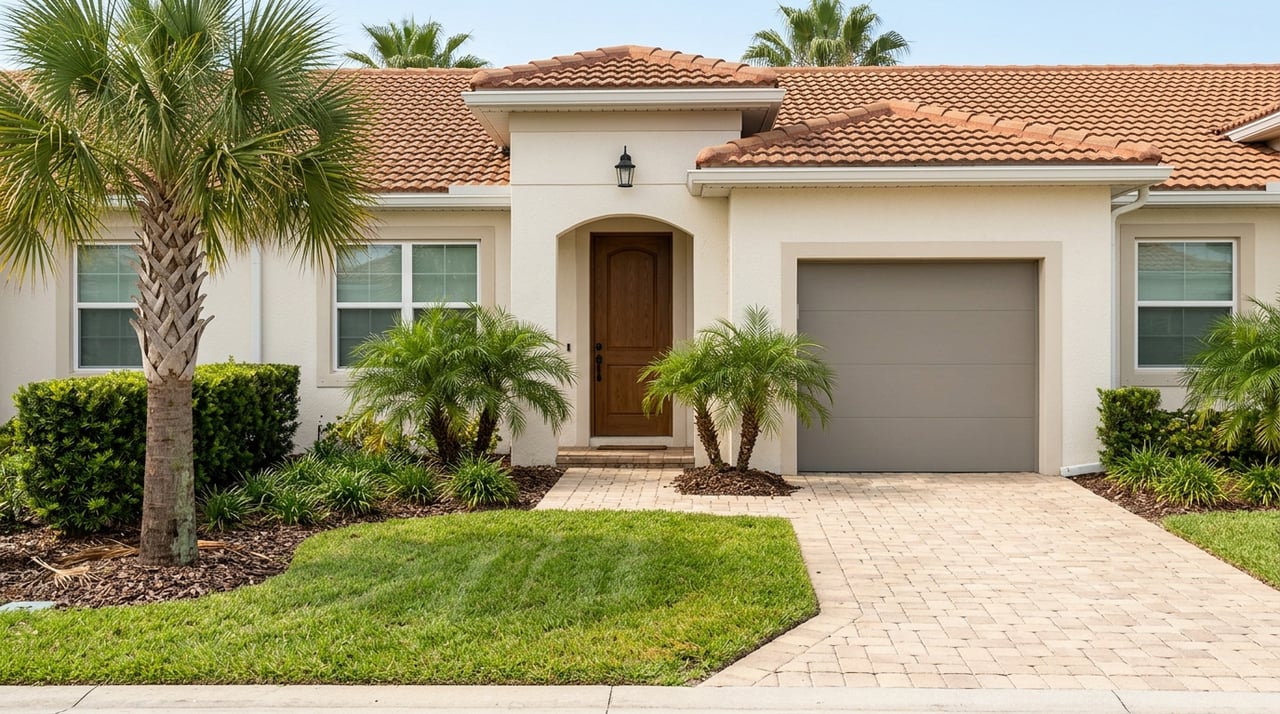
Town 'N Country Townhome Vs House: How To Choose
Trying to decide between a townhome and a house in Town ’n’ Country? You are not alone. In this part of Hillsborough County, buyers often weigh a lower entry price and less maintenance against the extra privacy and outdoor space that a detached home can offer. If you want a clearer way to compare both options without overcomplicating it, this guide will walk you through the tradeoffs that matter most in Town ’n’ Country. Let’s dive in.
Town ’n’ Country is a large, established community in Hillsborough County with about 86,253 residents, 36,630 housing units, and a median owner-occupied home value of $392,200. It is also one of the county’s historic suburban areas, with much of the original build-out dating from 1958 to 1978. That matters because your decision is not only about layout and lifestyle. It is also about age, upkeep, and total monthly cost.
You are also shopping in a market where price tiers can feel meaningfully different. Recent local data shows townhouses listed around a median of $303,000, while the broader Town ’n’ Country market posted a recent median sale price of $420,000 across all home types. Those figures are not a perfect apples-to-apples comparison, but they do support what many buyers already suspect: townhomes often sit at a lower entry point than detached houses in this area.
At a high level, a townhome usually makes sense if you want a more affordable path to ownership and less exterior maintenance. A detached house usually makes sense if you want more privacy, more yard space, and greater control over the property. Neither option is automatically better. The better choice is the one that fits your budget, routines, and comfort level with upkeep.
That sounds simple, but in Town ’n’ Country, the details matter. Older housing stock, flood and drainage considerations, and association rules can all shift the answer from one buyer to the next.
A townhome can be a strong choice if you want to keep your upfront cost and ongoing maintenance more manageable. In many cases, townhomes offer a lower purchase price than detached homes, which can make them appealing for first-time or value-focused buyers.
You may also like the simpler day-to-day ownership. Many townhome communities handle some exterior responsibilities through the homeowners association, which can reduce the amount of yardwork and outside maintenance you manage yourself.
In Hillsborough County, a townhouse is defined in the land development code as a single-family dwelling built in attached units with property lines separating each unit. In practical terms, that often means ownership can feel like a hybrid. You may own the unit fee-simple, but exterior responsibilities, parking, and property-use rules can still be shaped by the association and recorded community documents.
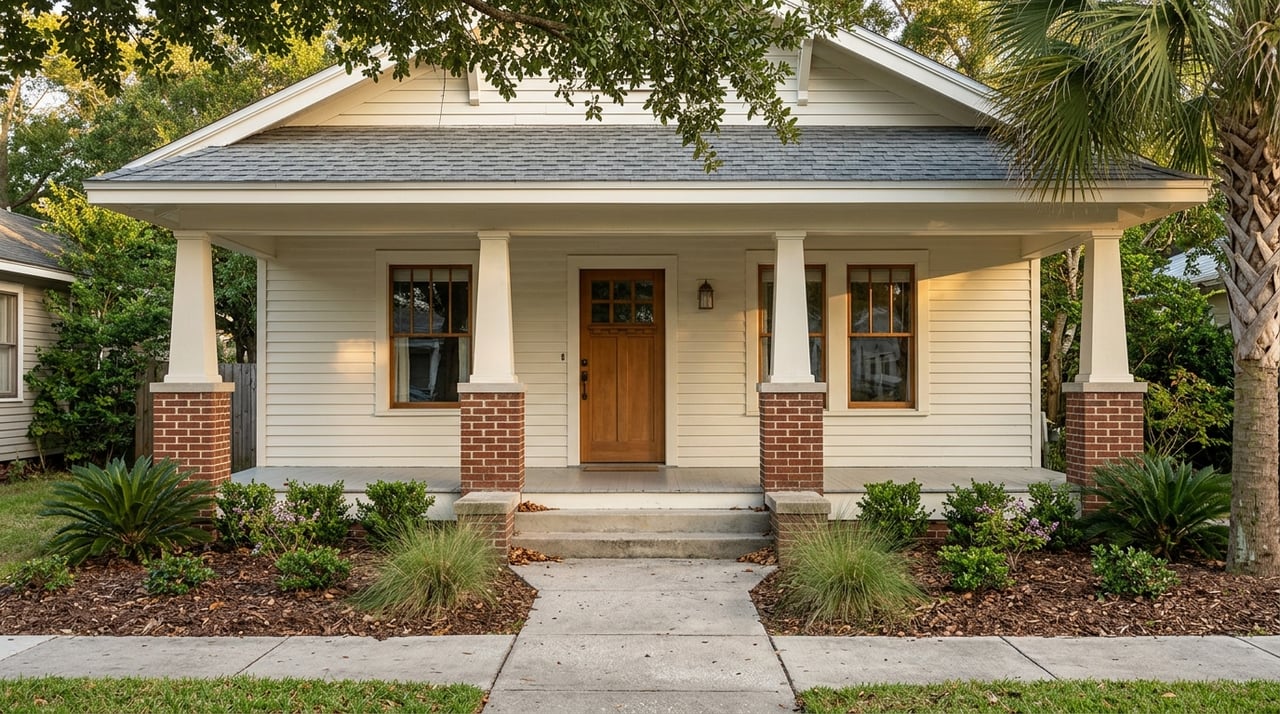
A detached house may be the better option if privacy and space are high on your list. You are more likely to get a larger lot, more separation from neighbors, and greater flexibility in how you use the property.
That extra freedom often comes with extra responsibility. You may be handling your own roof planning, exterior maintenance, landscaping, drainage issues, and general repairs. In a community like Town ’n’ Country, where many homes were built decades ago, that can be a bigger factor than buyers first expect.
If you enjoy having more control and do not mind the upkeep, a house can feel worth it. If you want to personalize your property over time and prefer not to answer to an HOA for every exterior detail, a detached home may be a better long-term fit.
The smartest way to compare a Town ’n’ Country townhome versus a house is to look beyond the price tag. Your housing payment can include much more than principal and interest. It may also include property taxes, homeowners insurance, flood insurance if needed, and HOA dues.
That full monthly number is what really determines affordability. A lower-priced townhome with a sizable HOA fee may not feel as inexpensive as it first appears. On the other hand, a detached house with no HOA can still carry higher costs if insurance, maintenance, or flood exposure are greater.
If you want a simple framework, ask yourself this: Which option keeps your total monthly payment comfortable after every recurring cost is added in? That question often reveals the right answer faster than square footage alone.
In Town ’n’ Country, flood and drainage should be part of your comparison from the start. Most homeowners insurance does not cover flood damage, and flood insurance may be required in Special Flood Hazard Areas when you use a government-backed mortgage.
This is especially important because Hillsborough County has active stormwater work in the area, including the Town N Country / Hillsborough Avenue regional drainage project and Bill Jackson Road drainage improvements. Those projects are aimed at reducing repetitive flooding, but they do not replace parcel-level due diligence when you are evaluating a specific property.
The key point is simple: do not assume a neighborhood name tells you everything. In unincorporated Hillsborough County, parcel-by-parcel review matters. The county’s official zoning atlas and planning map layers are the authoritative tools for checking zoning and flood-zone details by address.
Because so much of Town ’n’ Country developed from the late 1950s through the 1970s, age and condition deserve extra attention whether you buy a townhome or a house. An older property may have charm, a mature setting, and a more established layout, but it can also come with more questions.
For a detached house, pay close attention to roof age, exterior condition, drainage history, and renovation updates. For a townhome, you still want to understand the condition of major exterior elements, but you also need to know whether the HOA handles those items and how that responsibility is funded.
If you plan to live in the property as your primary residence, homestead benefits can be a meaningful part of your budget strategy. In Hillsborough County, homestead applications are generally due by March 1.
Florida’s Save Our Homes rule also limits annual assessment increases on homesteaded property to 3% or CPI, whichever is lower. That makes your owner-occupant plan worth discussing early, especially if you are comparing two homes that feel close in monthly cost today.
The right questions can help you avoid surprises. Here are some practical ones to bring to showings and your decision process.
If low maintenance and a lower entry price matter most, a townhome is often the stronger fit in Town ’n’ Country. If privacy, outdoor space, and greater autonomy matter most, a detached house is usually the better choice.
When buyers get stuck, it is often because they are trying to choose the “best” property type in general. A better approach is to choose the one that best supports your budget, your routine, and the amount of upkeep you want to own. In this market, that usually leads to a more confident decision.
If you want a practical second opinion while comparing homes in Town ’n’ Country, Ryan Newtonblock can help you weigh the numbers, the property details, and the local context so you can move forward with clarity.
Ryan Newton-Block, a distinguished agent at Charles Rutenberg Realty Inc., merges his passion for people and properties, transforming the home-buying and selling process into an unforgettable journey that leads to lifelong dreams fulfilled. With Ryan, every house becomes a home, and every client becomes family, as he guides them through the ever-changing landscape of real estate with expertise, integrity, and a touch of genuine charm.