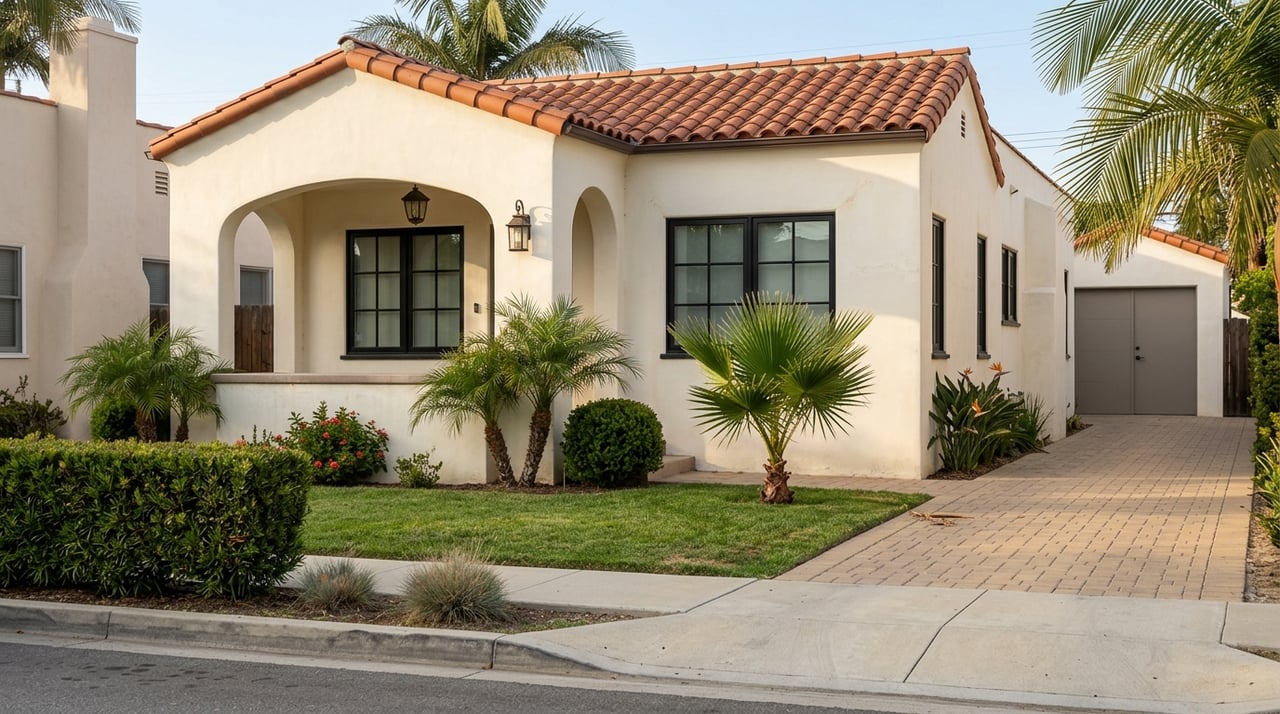
Is West Tampa A Smart Spot For Your First Investment?
Thinking about buying your first investment property in Tampa’s urban core? West Tampa can catch your eye fast. It sits in a central location with redevelopment momentum, a mix of housing types, and pricing that can look more approachable than some nearby neighborhoods. But this is not a market where you want to buy on vibes alone. If you are considering West Tampa for your first investment, here’s how to think through the opportunity, the risks, and the details that matter most. Let’s dive in.
West Tampa sits between Downtown Tampa and Westshore, and the City of Tampa describes it as an area with both older and newer residential and commercial uses, plus easy access to I-275. The city also identifies it as a major redevelopment area through its CRA and Opportunity Zone planning.
That combination matters if you are buying your first investment. You get a central location with long-term interest from buyers and renters, but you also get neighborhood rules, older housing stock, and property-by-property differences that can change the numbers quickly.
One of the biggest mistakes first-time investors make is treating West Tampa like a single, uniform neighborhood. It is not. Some pockets have a stronger historic character, some have more multifamily presence, and some properties sit in areas where renovation plans face extra design or preservation review.
The historical CRA study area included about 4,017 housing units plus 832 public housing units. It was split between roughly 47.2% single-family detached, 2.2% single-family attached, and 50.6% multifamily housing, with more than half of units built before 1959. The same study found a historically renter-heavy profile, with 70.8% renter-occupied units and 29.2% owner-occupied units in the 2013 ACS.
For you, that means West Tampa can support more than one strategy. A buy-and-hold rental, a house hack, or a light value-add play may all be possible, but the right fit depends on the block, the property type, and the documents tied to that specific address.
Current pricing signals suggest West Tampa is worth a close look, but not a blind one. Zillow’s West Tampa home value index is $435,621 as of May 31, 2026, down 2.4% year over year.
That places West Tampa above Tampa’s citywide value of $379,284, but still within range of nearby urban-core alternatives. For comparison, Old West Tampa is listed at $311,862, Tampa Heights at $466,763, and Riverside Heights at $551,192. In plain English, West Tampa sits in the middle of the Tampa-core pricing spectrum.
That is why underwriting should be block by block. One property may be priced like a straightforward rental. Another may look like a bargain until you account for renovation scope, insurance costs, or district rules.
Apartments.com reports average West Tampa rents at $1,521 for a one-bedroom, $1,873 for a two-bedroom, and $2,466 for a three-bedroom as of June 2026. Rents were also down 3.7% over the prior year.
That does not mean West Tampa is a bad rental market. It means you should be realistic about your rent assumptions. If your deal only works with aggressive rent growth or top-of-market numbers, that is a warning sign.
The same rental data also suggests a practical renter profile. West Tampa scores 40 out of 100 for walkability, 10 out of 100 for transit, 70 out of 100 for drivability, and 40 out of 100 for bikeability. For a first-time investor, that points to properties with easy access, useful parking, and efficient layouts rather than relying only on lifestyle amenities to drive demand.
Part of West Tampa is designated as a National Historic District. That is important because a historic setting can affect what you can change, how long approvals take, and what your renovation budget really needs to include.
Recent Redfin data for the West Tampa National Historic District showed a median sale price of $312,500 over the three months ending March 2026. It also showed 98 median days on market and a 90.3% sale-to-list ratio. That is a narrower submarket than greater West Tampa, but it shows how different one pocket can be from the next.
If you are comparing deals, do not assume a historic-district property will behave like a nearby non-historic one. The price may look attractive upfront, but the timeline and renovation path can be very different.
If your first investment plan involves updating an older property, you need to understand the West Tampa Overlay District early. City standards call for pre-application review for many projects and cover things like site plans, landscaping, building orientation, exterior elevations, setbacks, roof pitch, finished floor height, parking, and the appearance of walls and fences.
That means your safest rehab strategy is often straightforward: modernize systems and interiors while respecting the property’s street-facing scale and exterior rhythm. In West Tampa, value-add is not always just countertops, flooring, and paint.
You may also need to budget for porch repair, façade cleanup, drainage work, parking layout changes, or updates that better match the surrounding block pattern. The overlay also limits common shortcuts. For example, unfinished block fences or walls visible from the right-of-way are prohibited, and chain-link fencing is prohibited in front yards.
Overlay rules are only part of the picture. The City of Tampa also notes that its preservation office reviews designations and exterior changes for historic properties, and a Certificate of Appropriateness can be required for new construction, additions, and exterior repairs.
That is why one of the smartest first-investor moves is simple: verify whether the parcel sits within a historic district or is subject to review before you finalize your budget. If you skip that step, your timeline and rehab plan can change after closing, which is not the surprise you want on your first deal.
West Tampa investors should also treat flood diligence as a first-step item, not a last-minute task. The City of Tampa says every property is in a flood zone and recommends verifying zone status through FEMA or county flood maps. The city also notes that flood-risk information can affect insurance and building requirements.
The West Tampa CRA plan also documented floodplain and flooding issues in the study area. For you, that means checking drainage, elevation, flood zone status, and likely insurance cost before you get attached to a property’s projected cash flow.
A deal that looks fine on the purchase price alone can feel very different once flood-related costs enter the picture. For a first investment, that is exactly the kind of issue you want to catch early.
If you are considering a townhome, condo, or HOA-controlled property in West Tampa, the paperwork matters just as much as the property itself. Florida law requires homeowners associations to keep official records such as the declaration, bylaws, rules, minutes, insurance information, contracts, and financial records.
As of January 1, 2025, associations with 100 or more parcels must also post key governing documents and certain contract lists online or in a mobile app. That can make diligence easier, but you still need to read the packet closely.
Your first investment strategy may depend on whether rentals are allowed, how long leases must be, whether pets are restricted, and what parking rules apply. If the documents conflict with your plan, the property is not the deal you thought it was.
Florida law also makes rental restrictions especially important to review. Under section 720.306, some rental restrictions enacted after July 1, 2021 generally apply only to owners who bought after the effective date or who consented. But associations may still adopt rules limiting leases shorter than six months or more than three rentals per calendar year, and those rules can apply to all owners.
That is a big issue if you are planning to house hack or want flexible lease options. A property can look ideal on paper, then fail your strategy once you review the association documents.
For condominiums, owners and tenants are bound by the condo documents and rules incorporated into the lease. Associations may also have approval rights tied to leasing, and delinquent assessments can become a problem during that process.
Florida’s residential landlord-tenant law adds another layer of diligence. The landlord must disclose a name and address for notices, maintain the premises, and provide flood-risk disclosure for residential leases of one year or longer.
So before you count on a projected rent figure, confirm the practical details. Review maintenance responsibility, flood disclosure requirements, association rules, pet restrictions, parking limits, and any minimum lease term.
Those items may sound small, but they directly affect how easy the property is to operate. For a first-time investor, smoother operations can be just as important as headline returns.
Yes, West Tampa can be a smart spot for your first investment, but only if you treat it as a document-sensitive, block-by-block market. The neighborhood offers a central Tampa location, a mix of housing stock, renter presence, and redevelopment interest. That creates real opportunity.
At the same time, older homes, overlay rules, historic review, flood exposure, and HOA or lease restrictions can reshape a deal fast. The best opportunities are often the ones where the asking price already reflects those issues, and where you have done enough homework to know whether the numbers still work.
For first-time investors, the advantage of local guidance is not just finding listings. It is comparing one pocket of West Tampa against another, knowing when a bargain is real, and catching the hidden costs before they become your problem at closing.
If you want help evaluating West Tampa versus nearby inner-core options, Ryan Newtonblock can help you sort through the numbers, the documents, and the neighborhood differences so you can make a confident first investment decision.
Ryan Newton-Block, a distinguished agent at Charles Rutenberg Realty Inc., merges his passion for people and properties, transforming the home-buying and selling process into an unforgettable journey that leads to lifelong dreams fulfilled. With Ryan, every house becomes a home, and every client becomes family, as he guides them through the ever-changing landscape of real estate with expertise, integrity, and a touch of genuine charm.