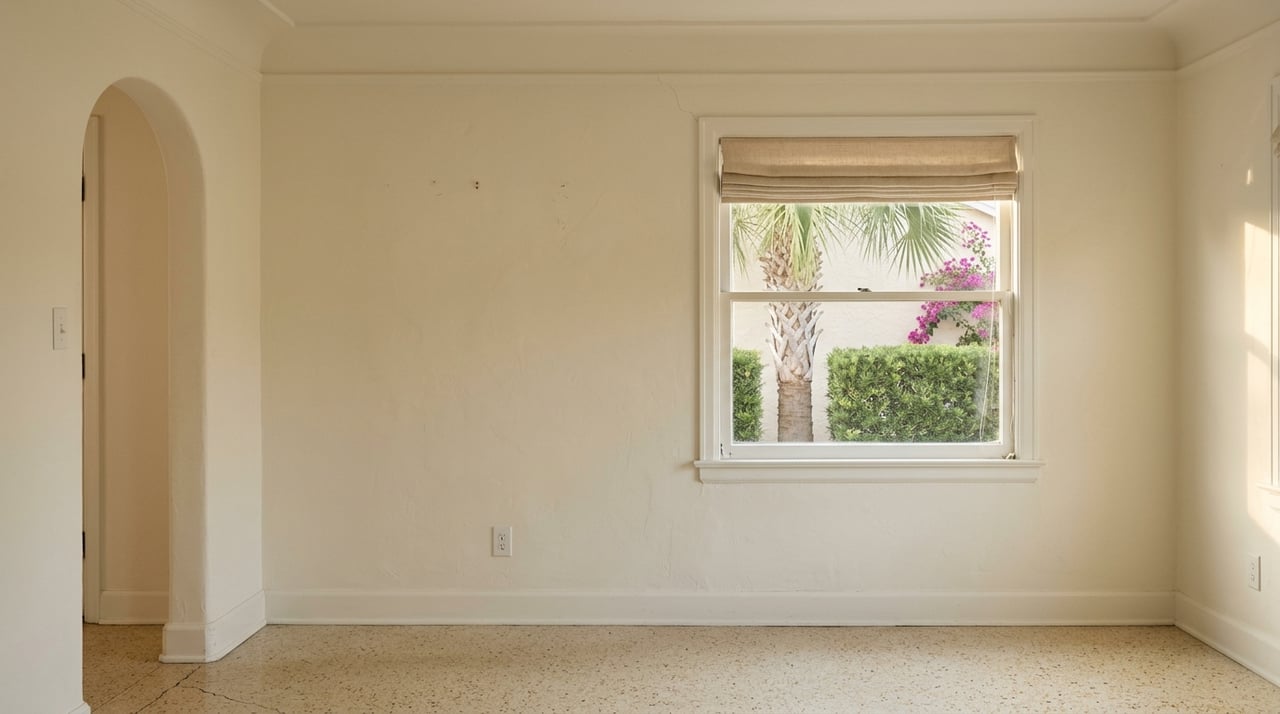
Spotting A Worthwhile Fixer In Tampa Heights
Thinking about buying a fixer in Tampa Heights? You are not just judging countertops and paint colors here. In one of Tampa’s oldest residential areas, a “good project” often comes down to what you cannot see at first glance, plus how the City of Tampa may review your renovation plans. This guide will help you spot the difference between a worthwhile opportunity and a money pit before you get too far down the road. Let’s dive in.
Tampa Heights sits just north of downtown Tampa and is recognized by the City of Tampa as the city’s first residential suburb. Its historic district includes buildings dating roughly from 1890 to 1945, with many bungalows and wood-frame vernacular homes built around 1910 to 1925. That gives the neighborhood real character, but it also means many homes come with age-related repair issues and renovation limits.
The area is also a mix, not a museum. The historic district includes about 300 contributing structures and about 184 noncontributing ones, so you may see one home with preserved original details next to another that has been heavily altered. That is why every fixer in Tampa Heights needs to be judged property by property.
Before you get excited about finishes or floor plans, confirm whether the home is inside the Tampa Heights Historic District. Then find out whether it is considered a contributing or noncontributing structure. That can shape what exterior changes may need review and how flexible your renovation path will be.
If the property is in the district, the City of Tampa uses design guidelines and Architectural Review Commission review to help preserve scale, materials, and neighborhood character. The guidelines are described as a framework rather than a rigid rulebook, but they still matter. A house that looks like a quick cosmetic project can become a longer process if your plans involve exterior changes.
In Tampa Heights, work involving porches, doors, dormers, lighting, ramps, solar collectors, additions, or removal of original material may require a Certificate of Appropriateness before work begins. That does not automatically make the home a bad buy. It simply means you should match the property to your timeline, budget, and goals.
If your dream project includes major curb appeal changes, plan early. The city encourages early consultation during the planning stage, which can save time and reduce surprises later.
One of the easiest mistakes in an older home is assuming fresh finishes mean the hard stuff has been handled. In Tampa Heights, value often comes from the original structure, the lot, and the location, not just a polished interior. A staged kitchen or new flooring does not tell you much about the condition of the roof, framing, plumbing, electrical, HVAC, or moisture control.
That is especially important in a neighborhood where many homes are more than 80 years old. A worthwhile fixer is not necessarily the prettiest one online. It is the one where the visible updates are backed by sound systems, manageable repairs, and a renovation scope you can actually carry out.
In older Florida homes, moisture deserves your full attention. Mold grows where moisture is present, and wet materials should be dried within 24 to 48 hours after a leak or spill to reduce the chance of mold growth. During a showing or inspection, signs of past or current moisture should move to the top of your concern list.
Watch for these red flags:
These signs do not always mean the deal is dead. They do mean you should investigate the source, the extent of the damage, and the likely repair cost before calling the property a bargain.
Moisture problems are not just indoor problems. Exterior conditions often tell you a lot about how water moves around the home. If landscaping traps moisture against the house, if gutters appear clogged, or if the ground slopes poorly, those issues can affect both mold risk and long-term durability.
In a fixer, source correction matters just as much as cleanup. If the house smells musty or shows leak history, your budget should include solving the cause, not just repainting the evidence.
Termites are another big issue in older Tampa Heights homes. UF/IFAS notes that termite prevention depends on minimizing moisture, reducing food sources, and making the home easier to inspect. For buyers, that means the exterior setup around the home matters more than many people realize.
Pay close attention to these conditions:
These are red flags, not automatic deal killers. But if you see several of them at once, the house needs a more careful inspection and a more realistic repair plan.
Because many Tampa Heights homes date from 1890 to 1945, lead should be treated as a practical due-diligence item when paint or other coated surfaces will be disturbed. In pre-1978 homes, renovation, repair, or painting can create lead dust. Contractors disturbing lead-based paint in those homes must use certified renovators and lead-safe work practices.
This matters if your fixer strategy includes opening walls, replacing windows, sanding trim, repairing doors, or removing old painted materials. A worthwhile fixer is one where you plan for this upfront instead of being surprised after closing.
In Tampa, many common renovation categories are permit-driven. The City of Tampa lists remodeling, electrical, plumbing, mechanical, roofing, siding or stucco, foundation stabilization, and additions among residential permit categories. In other words, many fixer projects involve more than design choices and contractor scheduling.
That has real timeline consequences. Once you touch systems or structure, inspections and city approvals can become part of the project path. If the home is also in the historic district, exterior review may add another layer.
A smart way to judge a fixer is to split the project into two buckets:
Cosmetic work
System and review-heavy work
Cosmetic items are usually easier to estimate from listing photos. Hidden system issues are where budgets and timelines can change fast.
Do not assume a home’s flood risk based on neighborhood buzz alone. Flood risk should be checked parcel by parcel. FEMA flood maps show flood zones and base flood elevation, and homes in high-risk A or V zones with federally backed mortgages generally require flood insurance.
That means the exact address matters. If you are comparing multiple fixers, insurance cost and renovation planning may look very different from one property to the next.
A worthwhile fixer in Tampa Heights usually has a few things going for it at the same time. The location works for you, the house has underlying potential, and the repair scope is understandable enough to price and plan. It does not need to be perfect, but it does need to be legible.
Here is a practical way to think about it during your search.
The inspection period is where a fixer either starts to make sense or starts to fall apart. A home inspection is meant to identify strengths and weaknesses in the property’s structural and mechanical systems. If you are serious about a Tampa Heights fixer, schedule inspections as soon as possible and leave room for follow-up evaluations if needed.
Focus first on the expensive items that can change negotiations or closing decisions:
In a neighborhood like Tampa Heights, this is where good buying decisions are made. The right fixer is rarely the one with no issues. It is the one where the issues are knowable, budgetable, and worth solving for the location and upside.
If you want a second set of eyes on a Tampa Heights fixer, or you need help comparing renovation risk across multiple properties, Ryan Newtonblock can help you evaluate the opportunity with a practical, local lens.
Ryan Newton-Block, a distinguished agent at Charles Rutenberg Realty Inc., merges his passion for people and properties, transforming the home-buying and selling process into an unforgettable journey that leads to lifelong dreams fulfilled. With Ryan, every house becomes a home, and every client becomes family, as he guides them through the ever-changing landscape of real estate with expertise, integrity, and a touch of genuine charm.