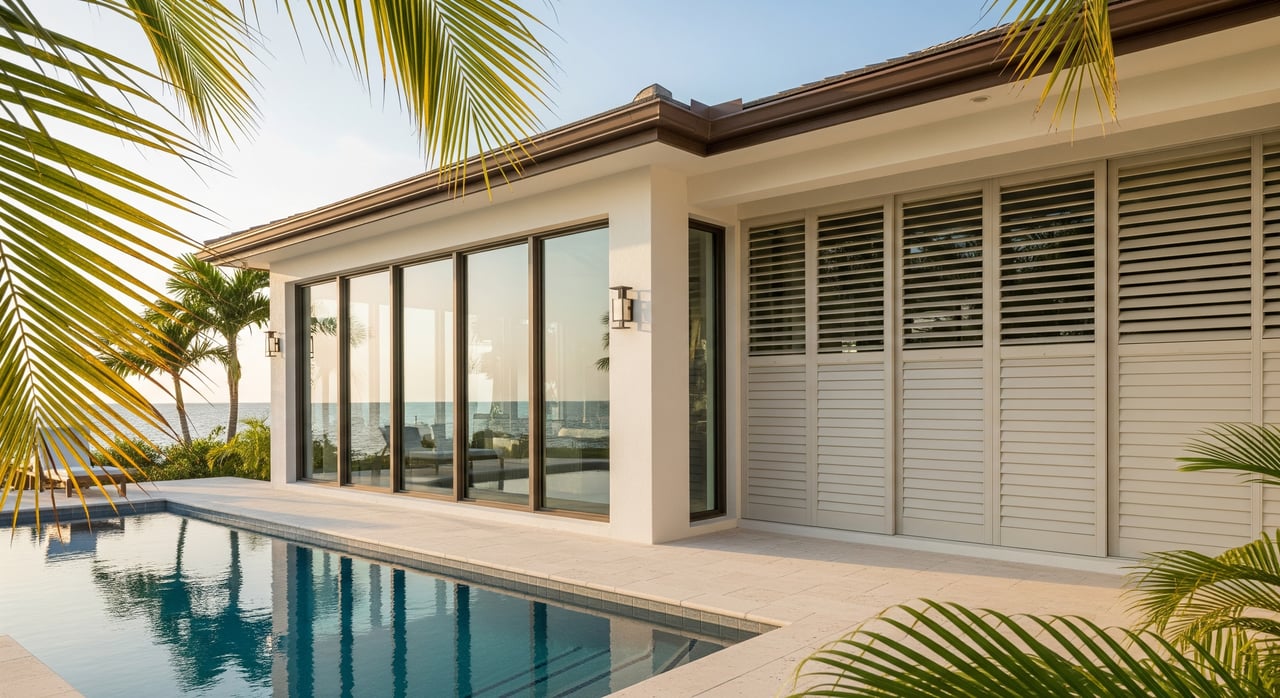
Impact Windows vs. Shutters In Clearwater
Hurricane season arrives every year, and your windows are on the front line. If you live in Clearwater, you have likely wondered whether impact windows or storm shutters make more sense. You want reliable protection without sacrificing comfort or curb appeal, and you want to know how your choice could affect insurance savings and permits. This guide walks you through the tradeoffs so you can choose with confidence for your home and budget. Let’s dive in.
Clearwater sits along the Gulf of Mexico and Tampa Bay, so homes face tropical storms and hurricanes from June through November. Even though Pinellas County is outside the High Velocity Hurricane Zone, it is still in Florida’s windborne debris region. That means opening protection matters for both safety and code compliance.
Impact windows and many shutters are tested to recognized standards, commonly ASTM E1886/E1996 for impact and cyclic pressure. Some products carry Miami-Dade Notices of Acceptance. For retrofit projects, Pinellas County typically requires permits for window replacements and many shutter installations. Always verify requirements with the county before you sign a contract.
Insurers often provide wind mitigation discounts when a licensed inspection documents qualifying features, including opening protection. Florida uses a standardized wind mitigation inspection form, and your inspector will note what percentage of openings are protected and by what type of product.
Impact windows combine laminated glass with reinforced frames to resist wind-borne debris and repeated pressure cycles. When installed to code and manufacturer specs, they provide continuous, always-on protection. You do not need to deploy anything when a storm approaches, which reduces stress and the risk of last-minute mistakes.
Laminated impact glass helps block UV and can reduce outside noise compared with standard single-pane windows. You keep daylight and views year-round, which is useful in waterfront and view-oriented rooms. With the right glazing options, you can fine-tune privacy and glare without losing the protection benefit.
Upgrading to impact windows is a chance to improve energy performance. Low-E and double-pane configurations can reduce heat gain and help your HVAC work more efficiently. Because they stay in place and let in light, these benefits apply every day, not only during storms.
Shutters come in several forms. Permanent styles include roll-down, accordion, and some Bahama or colonial models that close over the opening. Deployable options include removable metal storm panels that you install in tracks before a storm. Many engineered shutter systems are tested to recognized impact standards and can qualify for insurance credits.
Removable panels can be cost-effective and strong when properly anchored. The tradeoff is the need to lift, secure, and store them. Missed or misplaced panels, or improper anchoring, can reduce performance right when you need it most.
Shutters protect when closed, but that usually blocks light and views. Louvered Bahama or colonial shutters can allow some light and air when partially closed, while roll-down or solid panels create full blackout. If you prefer open views and natural daylight most days, remember that shutters only provide energy and comfort benefits when closed.
Clearwater’s coastal environment can be tough on metals and coatings. Roll-down and accordion shutters include tracks, fasteners, and sometimes motors that need periodic service. Painted and coated surfaces can corrode over time if not maintained. If you choose shutters, plan for regular cleaning, lubrication, and part replacement as needed.
Costs vary by brand, size, and installation scope, so it pays to get multiple quotes. In general, impact windows cost more per opening than shutters, especially with specialty shapes or high-performance glazing. Shutters range from lower-cost removable panels to higher-cost motorized roll-down systems.
Impact windows typically need minimal maintenance beyond cleaning, with hardware checks for locks and sliders. Shutters require more routine attention, especially mechanical systems. For any product near salt air, look for corrosion-resistant hardware, marine-grade coatings, and non-ferrous components. Ask installers for product test reports or Notices of Acceptance and confirm warranty terms.
Florida insurers use a standardized wind mitigation inspection to document risk-reducing features. Opening protection is one of the most impactful categories. Credits and their amounts vary by insurer and depend on your home’s full mitigation profile, not just one upgrade. Keep your inspection report and installation documents ready for your carrier.
Impact-rated windows are typically recognized on the wind mitigation form. Inspectors look for labels, product approvals, and installation consistent with code. Because impact glazing protects all the time, it tends to be straightforward to document.
Engineered roll-down, accordion, and many Bahama or colonial systems can qualify for credits when they have recognized test reports or approvals. Removable panels can also qualify when installed correctly and verifiable. Temporary or improvised coverings that are not in place at inspection usually do not count.
The My Safe Florida Home program has offered inspections and, for eligible homeowners, grants toward approved mitigation measures. Eligibility and funded items can change. In some program cycles, shutters may be eligible while impact windows may be limited due to cost. Use the program’s inspection as a planning tool to identify upgrades that may deliver the best risk reduction and potential premium savings.
Choosing between impact windows and shutters often comes down to your exposure, budget, and lifestyle. Here is a simple way to frame the decision.
Thinking about future resale? Buyers in Clearwater often appreciate well-documented opening protection and lower maintenance. Whether you go with impact windows, shutters, or a hybrid, keep your approvals, permits, and warranties organized for a smoother sale.
Ready to plan your upgrade or discuss how this decision plays into your home’s value and marketability? Reach out to Ryan Block Realty. Let’s connect.


Ryan Newton-Block, a distinguished agent at Charles Rutenberg Realty Inc., merges his passion for people and properties, transforming the home-buying and selling process into an unforgettable journey that leads to lifelong dreams fulfilled. With Ryan, every house becomes a home, and every client becomes family, as he guides them through the ever-changing landscape of real estate with expertise, integrity, and a touch of genuine charm.