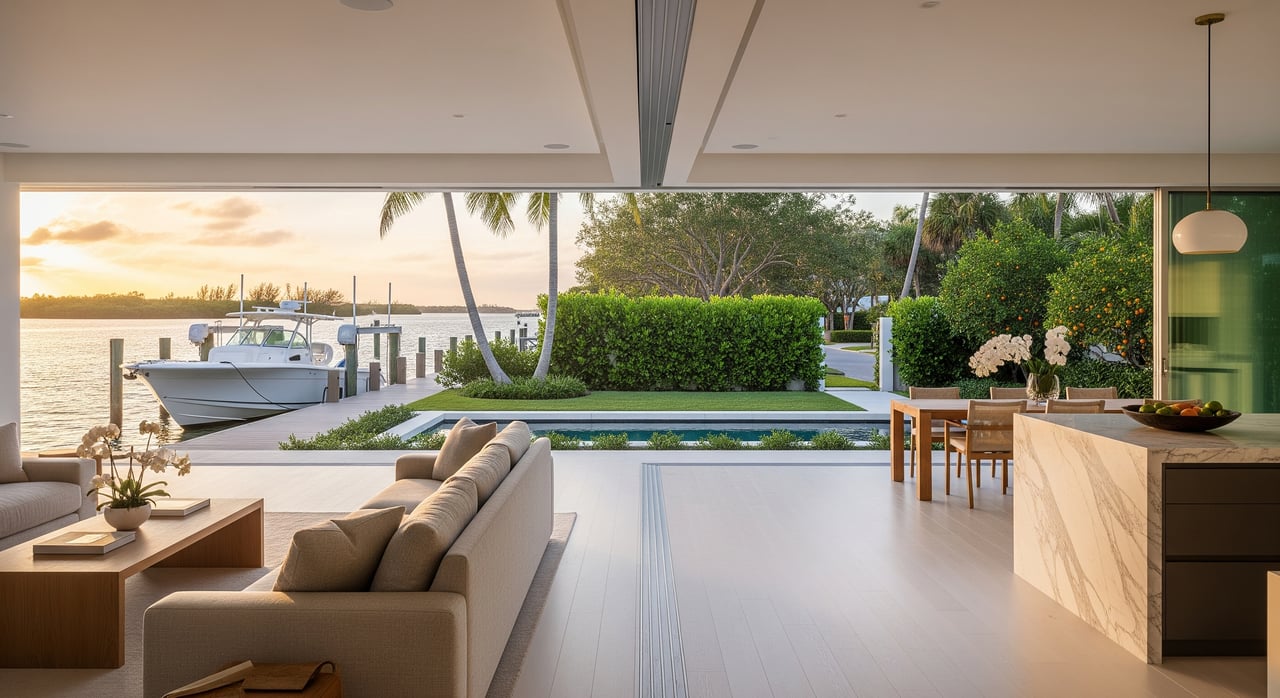
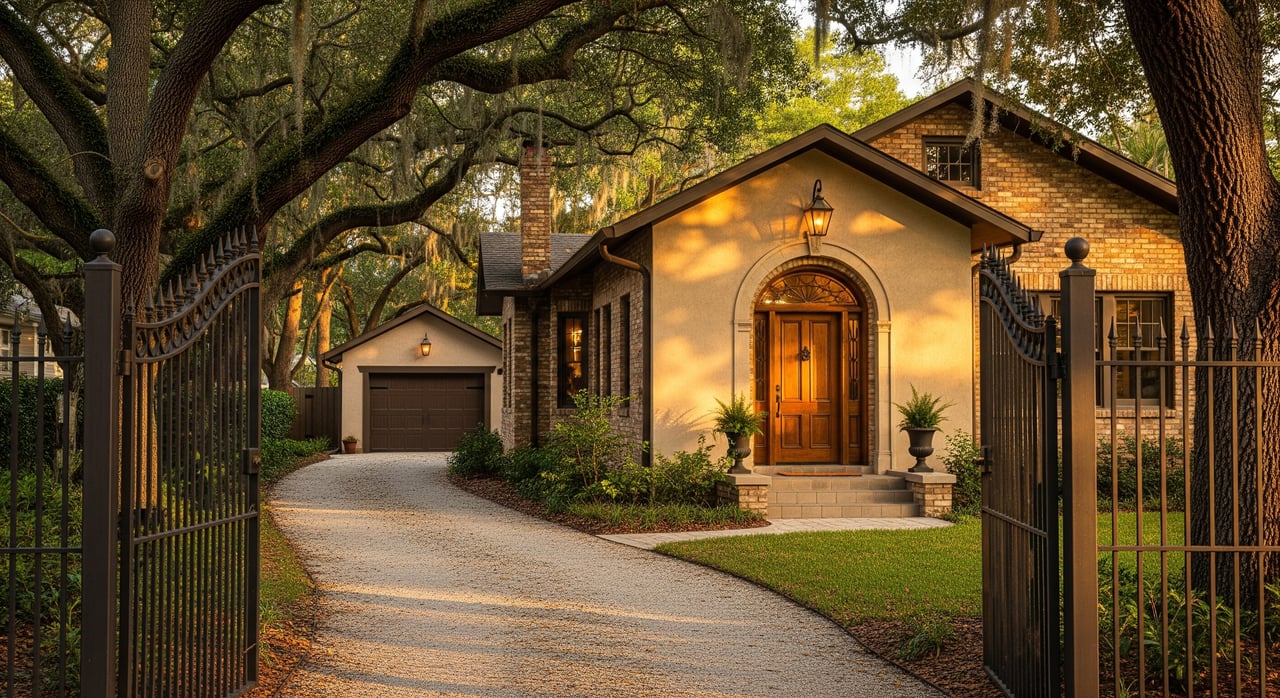
Torn between a storybook bungalow and a sleek new build in Seminole Heights? You are not alone. Many buyers love the charm and porch life of historic homes but also want modern systems and lower maintenance. In this guide, you will compare both paths side by side so you can buy with confidence and plan your budget. Let’s dive in.
Seminole Heights overview
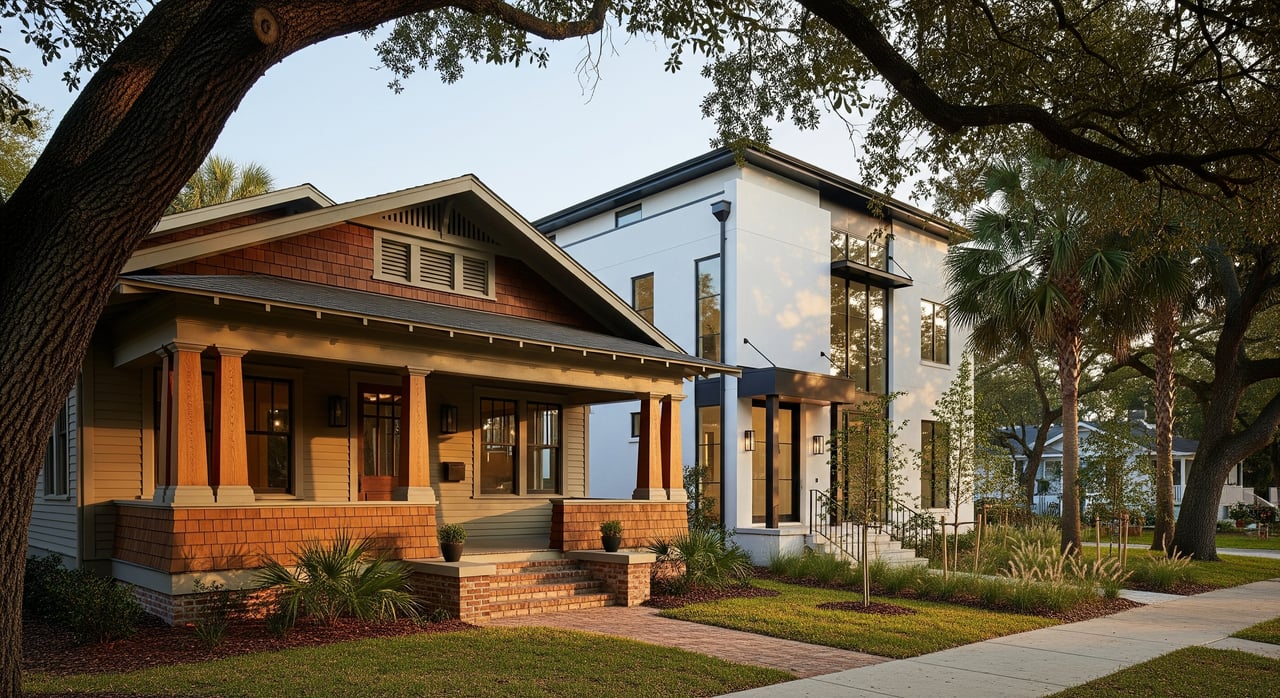
Seminole Heights sits just north of downtown Tampa and is known for early 20th‑century Craftsman and bungalow homes mixed with newer infill construction. Some blocks fall within local or national historic districts. If you plan exterior changes, the City of Tampa Historic Preservation Office may need to review your plans and permits.
Buyer interest has been strong in recent years thanks to proximity to downtown, walkability, and neighborhood character. Renovation activity is common. For current pricing, you will want fresh local MLS data because metrics change quickly.
Bungalow vs new build
What you get with a bungalow
- Craftsman character with porches, wood siding, and original millwork.
- Mature lots with established trees and a classic neighborhood feel.
- Often smaller or more compartmentalized rooms and older windows.
What you get with a new build
- Open floor plans, larger bedrooms, and modern kitchens and baths.
- Double‑pane windows, modern insulation, and efficient HVAC.
- Fewer immediate repairs and typically stronger energy performance.
How to think about the tradeoffs
- Character vs convenience: Bungalows deliver historic detail that rewards careful stewardship. New builds prioritize turnkey comfort and lower short‑term costs.
- Layout: If you want open living and a larger primary suite, newer construction fits better. If you want porch culture and original details, the bungalow wins.
- Resale: Sensitive renovations on bungalows can perform well. Poorly executed remodels that remove historic elements can hurt value.
Systems and maintenance
Roof, structure, and envelope
- Bungalows: Expect roofs that may be closer to mid‑life with possible sheathing and flashing work. Raised pier foundations can show sagging floors, settlement, or wood rot at sills.
- New builds: Newer roofing and materials with warranties. Still check for grading and drainage, drywall cracks, or slab movement.
- Envelope: Older homes often have single‑pane windows and limited wall insulation. New builds usually have continuous sheathing, insulated walls, and tighter air sealing.
Electrical
- Bungalows: You may find older wiring types, smaller service panels, or limited grounding. Common upgrades include a 200A panel, GFCI/AFCI protection, and re‑wiring.
- New builds: Typically 200A service, grounded outlets, and current code protections.
Plumbing
- Bungalows: Galvanized supply lines and cast iron drains can cause low flow or corrosion. Partial or full re‑pipes with copper or PEX are common upgrades.
- New builds: Modern supply and drain materials reduce near‑term risks.
HVAC and comfort
- Bungalows: Undersized or aging systems are common, and ductwork may leak or run outside the conditioned space. Dehumidification matters in the Tampa climate.
- New builds: Higher SEER heat pumps, better ducts, and more consistent humidity control.
Termites and wood‑destroying organisms
- Subterranean and Formosan termites are common in Florida. Older wood framing, poor drainage, and wood‑to‑soil contact raise risk. Plan for periodic inspections and treatments.
Hazardous materials
- Pre‑1978 homes can contain lead‑based paint. Asbestos may be present in certain older roofing, insulation, or floor materials. Testing and certified abatement may be needed for major projects.
Hurricane and wind resistance
- New builds follow modern Florida Building Code wind standards and often include impact‑rated windows and doors. Older homes may rely on shutters or impact window retrofits to improve protection and insurance outcomes.
Energy and upgrades
Typical performance
- Bungalows: More air leakage, single‑pane windows, and low insulation mean higher cooling loads.
- New builds: Higher R‑values, sealed air barriers, and modern HVAC lower energy use and improve comfort.
High‑impact improvements
- Air sealing and attic insulation: Often the best first step for Tampa cooling loads.
- Duct sealing and right‑sized HVAC: Improves comfort and cuts bills.
- High‑SEER heat pump: Higher upfront cost, strong long‑term savings.
- Impact windows or quality shutters: Boost resilience and can influence insurance.
- Solar PV: Strong local sun. The federal Residential Clean Energy Credit has commonly been 30 percent for qualifying systems, but confirm current rules and eligibility before planning.
Utility and insurance considerations
- Check Tampa Electric and county programs for available HVAC or efficiency rebates.
- Ask your insurer how impact windows, roof upgrades, or other improvements could affect windstorm premiums.
Inspection priorities
Checklist for both home types
- Roof: Age, shingle life, flashing, and evidence of leaks.
- Structure: Settlement, floor levelness, rot, or termite damage.
- Drainage: Grading, gutters, and any signs of flooding.
- HVAC: Age, refrigerant type, capacity relative to the home’s load.
- Electrical: Service size, panel condition, grounding, GFCI/AFCI.
- Plumbing: Pipe materials, water pressure, leaks, water heater age.
- Moisture/mold: Attic ventilation, crawlspace conditions, water intrusion.
- Termites/WDO: Evidence of activity and treatment history.
- Hazardous materials: Lead paint in pre‑1978 homes, potential asbestos.
Bungalow red flags
- Widespread wood rot at sill plates or porch framing.
- Extensive termite damage to primary framing.
- Galvanized pipe failures or severe corrosion.
- Old, undersized electrical service without grounding.
- Significant foundation settlement requiring shoring.
New build red flags
- Poor grading or missing waterproofing that invites water intrusion.
- HVAC sizing or duct issues that affect comfort and efficiency.
- Missing flashing or sloppy finishes that signal rushed work.
- Nonpermitted work or incomplete warranty documentation.
Sample budgets
First‑year costs after closing
Five‑year maintenance outlook
- Bungalow: $2,500 to $6,000 per year, or $20,000 to $60,000 over five years with one major system replacement.
- New build: $500 to $2,000 per year, or $5,000 to $20,000 over five years during typical warranty periods.
Note: These are planning ranges for Seminole Heights. Actual costs vary. Get local quotes for accuracy.
How to choose your fit
Start with your priorities
- Priority A: You want historic character and porch life. Choose a bungalow and plan for stewardship.
- Priority B: You want low maintenance and modern systems. Choose a new build for turnkey living.
- Priority C: You want investment performance. Either can work if pricing, renovation quality, and location align.
Time and budget tolerance
- Limited time or renovation budget favors newer construction.
- Comfortable managing contractors and permits points to a bungalow project.
Financing and protections
- Renovation loans like FHA 203k or HomeStyle can fold upgrade costs into one loan.
- Newer homes often include builder warranties that reduce early risk.
Smart showing checklist
- Ask for dates and permits for roof, HVAC, electrical, and plumbing.
- Review termite treatment history and any WDO reports.
- Check insulation levels, duct condition, moisture signs, and drainage.
- Verify if the home sits in a local historic district. If yes, learn the standards for exterior changes.
- Review FEMA flood maps and county floodplain data to understand insurance and mitigation needs.
What to do next
If you are leaning bungalow, start with a strong inspection, a WDO evaluation, and a quick estimate for roof, electrical, plumbing, and HVAC. If you prefer new construction, verify permits, warranty terms, and create a clear punch list before closing. Either way, local experience will save you time and money.
You can have both confidence and speed in this market when you work with a hands‑on local expert who coordinates inspectors, vendors, and negotiations end to end. If you are ready to compare real homes in Seminole Heights and build a smart plan, connect with Ryan Newtonblock. Let’s connect.
FAQs
What defines a Seminole Heights bungalow and why choose one?
- A Seminole Heights bungalow is typically an early 1900s Craftsman with porches, wood details, and original millwork, chosen for its character and neighborhood feel.
What inspections matter most for older bungalows in Tampa?
- Prioritize roof, structure, electrical service capacity, plumbing materials, HVAC sizing, moisture, and a separate wood‑destroying organism inspection.
How do new builds compare for storm protection in Tampa?
- New builds are generally constructed to modern Florida wind standards and often include impact windows or doors, while older homes may need retrofits or shutters.
Which energy upgrades deliver the best ROI in Florida homes?
- Start with air sealing and attic insulation, then address duct sealing and right‑sized HVAC, with impact windows and solar as higher‑cost options.
Are exterior changes restricted in Seminole Heights historic districts?
- In designated historic areas, many exterior changes require review and permits through the City of Tampa Historic Preservation Office before work begins.