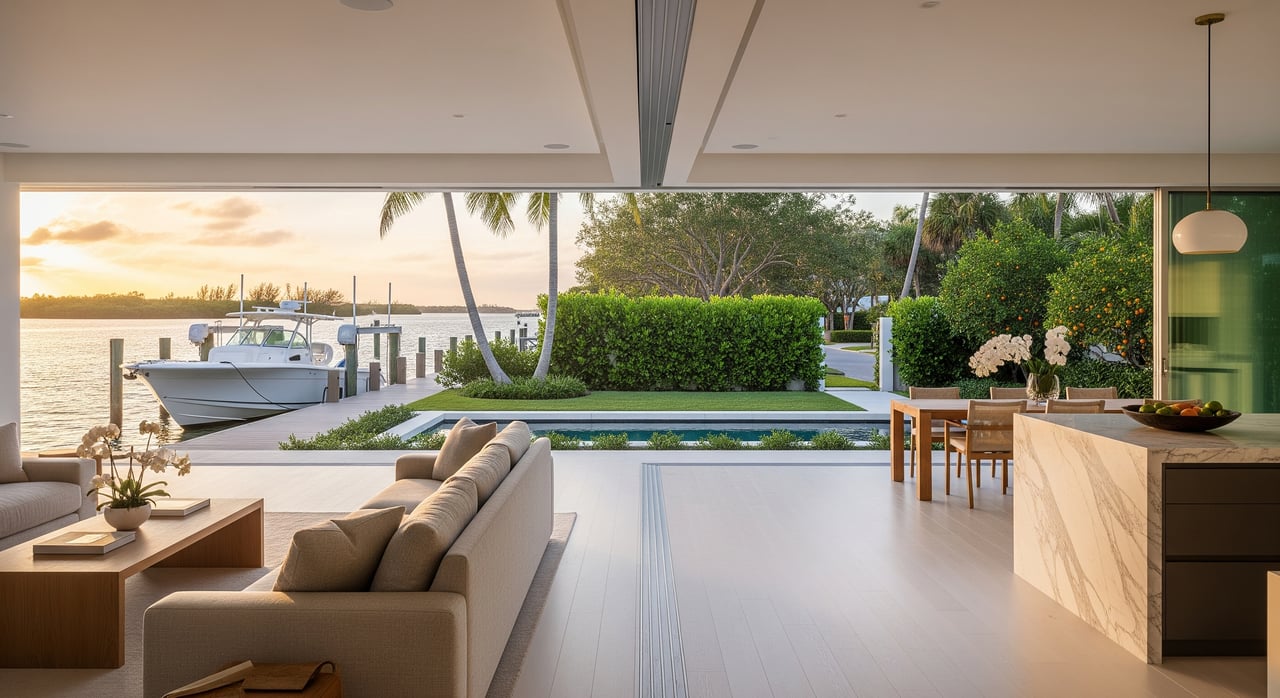
Clearwater Waterfront vs Inland Living: Key Trade‑Offs
Should you pay up for a Clearwater waterfront address or keep life simple inland? It is a big decision with real cost and lifestyle differences. You want the right mix of value, convenience, and the on‑water experiences that brought you to Pinellas in the first place. In this guide, you will compare costs, maintenance, permits, boating access, parking, and resale so you can choose with confidence. Let’s dive in.
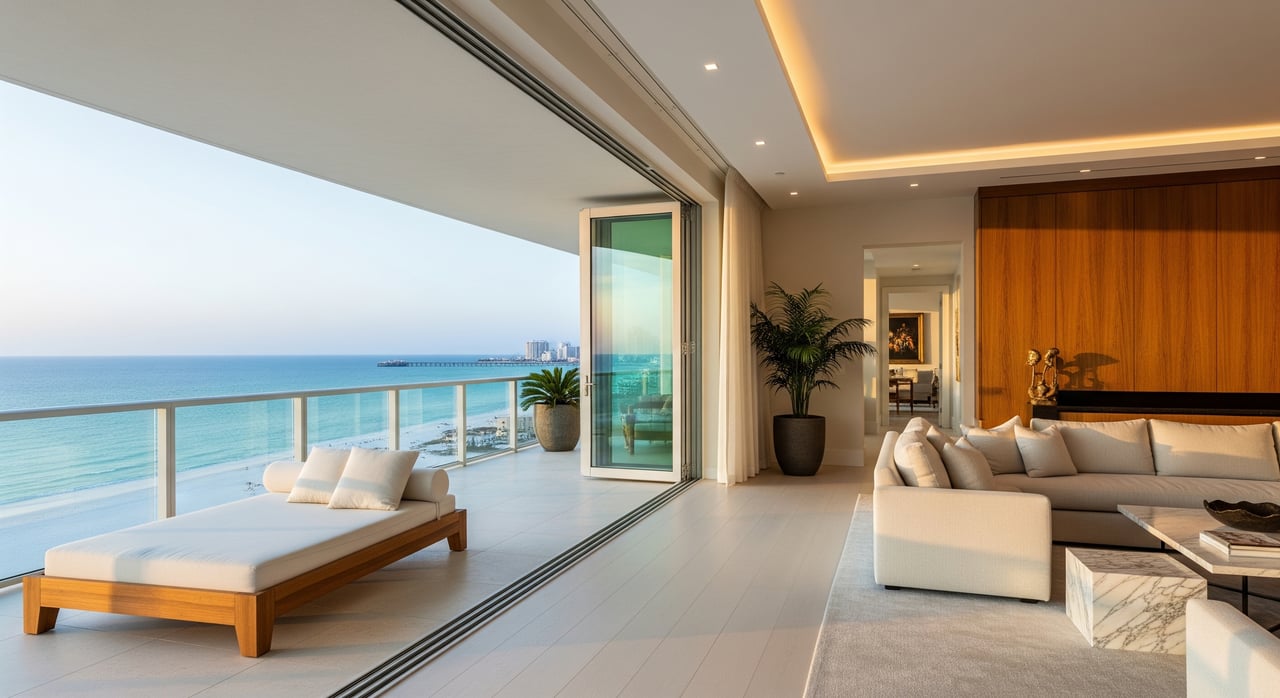
Waterfront in Clearwater covers several property types, and the type you choose affects price, maintenance, and daily life.
If you want dockage and quick boating, focus on bayfront or canal properties. If you want the sand and skyline, beachfront condos may fit. If you want lower costs with a view, water‑view can be a smart middle ground.
Waterfront homes in Clearwater generally carry a premium over nearby inland homes because of views, direct access, and limited shoreline supply. The size of that premium depends on the water type, dock or lift quality, exposure to open water, and lot size. Demand is fueled by boating and recreation, Clearwater Beach tourism, second‑home buyers and retirees, and the area’s restaurants and marinas.
There is no single premium number that applies across the market. To price a specific property, use matched comparable sales in the same neighborhood with similar lot and home size. Consult Pinellas County Property Appraiser records and recent market reports to see current trends.
Waterfront and inland homes share many costs, but the mix and intensity differ. Here is what to expect and where to verify numbers.
Many waterfront properties sit in FEMA flood zones where flood insurance can be required by lenders. Even outside high‑risk zones, some owners choose coverage due to storm surge risk. Plan for a homeowner’s policy that accounts for wind or hurricane endorsements and confirm deductibles for windstorm events.
Get flood zone details from FEMA maps and request elevation certificates for specific homes. Obtain quotes from licensed local insurance agents for homeowner, flood, and wind coverage so you can compare apples to apples.
Property taxes are tied to assessed value in Pinellas County. Higher purchase prices often translate to higher taxes. Waterfront communities may also see special assessments for items like seawall or shoreline projects. Verify taxes with the Pinellas County Property Appraiser and tax collector, and ask about any pending assessments before you close.
Waterfront condos and some subdivisions have monthly fees. These may include reserves for exterior insurance, common area upkeep, docks or seawall maintenance. Review the association budgets, reserve studies, and meeting minutes to understand current fees and any scheduled increases.
Waterfront ownership typically requires more specialized maintenance. Seawalls need periodic inspections and repairs. Docks and lifts require routine care for pilings, decking, hardware, motors, and electrical. Salt air accelerates corrosion, so marine‑grade materials and coatings help but add cost up front.
Ask for recent inspection reports and invoices for seawalls and docks when you evaluate a property. Get estimates from local marine contractors or coastal engineers if condition is unclear.
Coastal yards benefit from native, salt‑tolerant plants and erosion‑aware designs. Exterior paint, metals, and fixtures on the water may need more frequent attention. Plan for consistent pest control, including termite protection.
Confirm whether the home is connected to sewer and check local utility rates. If you own a boat but not a private dock, factor in marina slip fees or trailer storage. Some neighborhoods and associations restrict trailer parking, so verify rules early.
Shoreline work can require permits from the City of Clearwater or Pinellas County, the Florida Department of Environmental Protection, and in some cases the U.S. Army Corps of Engineers. That includes new docks, seawall repairs, lifts, and any dredging. Mangrove trimming is regulated and may require mitigation.
Before you budget improvements, confirm which agencies must approve the work and how long permits typically take. Factor permit fees and contractor lead times into your plan.
Clearwater’s floodplain rules and Florida coastal construction codes affect elevation, setbacks, and what counts as a substantial improvement after a storm. Your contractor and lender may require updated surveys and elevation certificates. If you plan a remodel, verify requirements before you design.
Waterfront living can mean seamless boating from your backyard, but details matter. Canal depth, channel markers, and bridge clearances affect the size and type of boat you can keep at home. Lifts must be rated for your boat’s weight and beam.
Marina slips offer an alternative when private dockage is not available, but they come with fees and possible waitlists. Public ramps across Pinellas County are convenient, though some get busy on weekends and holidays. If you plan to trailer a boat, check parking rules and whether your driveway or HOA allows it.
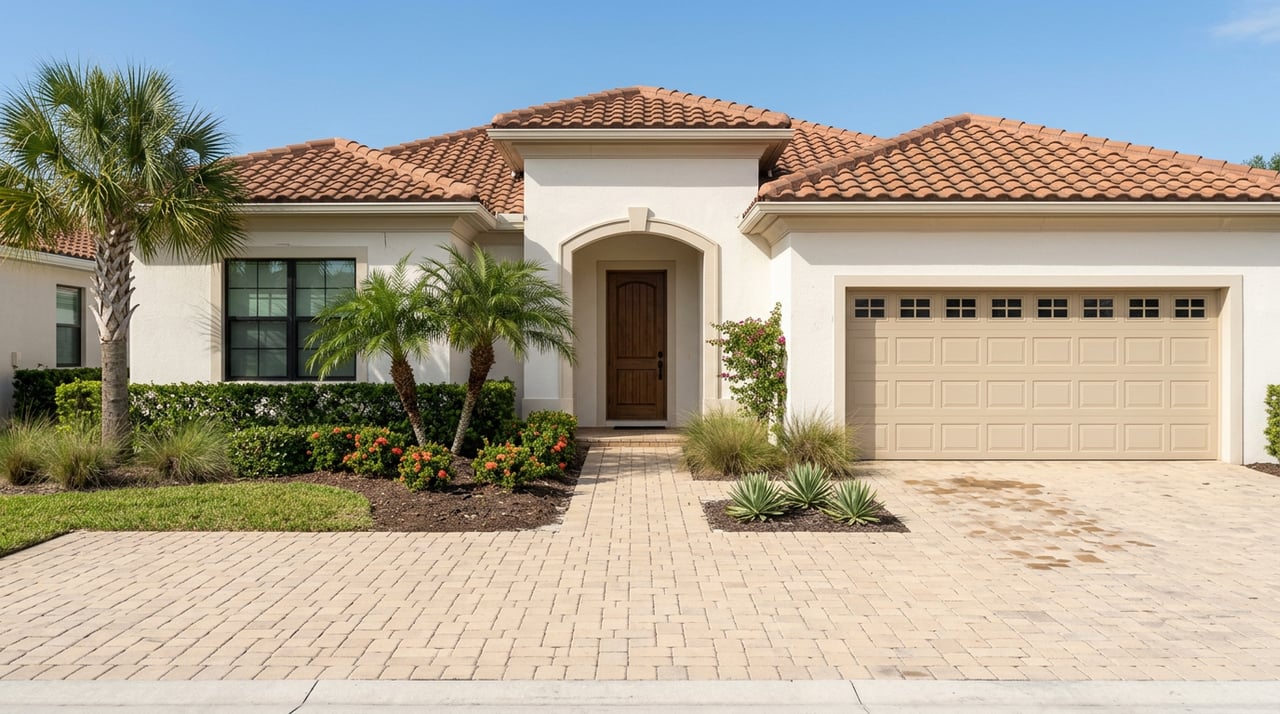
Beach and island neighborhoods often have tighter parking, permit zones, and smaller driveways. Guest parking and vendor access may require extra planning. Inland neighborhoods typically offer easier driveway or garage parking and may be closer to everyday services like groceries and healthcare.
If you expect frequent guests or service providers, include parking and access in your property tours. It will shape your daily convenience and your hosting plans.
Waterfront homes can hold or appreciate well in desirable locations, but they often have a narrower buyer pool due to higher prices and specialized insurance or maintenance needs. Inland homes usually appeal to a broader set of buyers and may sell faster in typical conditions.
Short‑term rental potential is often higher for waterfront units in tourist areas such as Clearwater Beach, but local rules limit STRs in some zones. Check current City of Clearwater ordinances, business tax requirements, and licensing before you rely on projected rental income.
Use this list to build a side‑by‑side budget for a specific property. For each item, gather at least two local quotes or official figures.
Choose waterfront if you value daily on‑water access, are comfortable with specialized maintenance, and plan to use a boat or host guests for coastal experiences. Choose inland if you want simpler ownership, broader resale appeal, and easier parking and errands. If you want balance, look at water‑view homes near public ramps and marinas.
If you want a side‑by‑side plan with real numbers, vendor intros, and on‑the‑water insights, reach out. As a hands‑on, single‑agent advisor, I coordinate quotes, inspections, and off‑market options so you can buy with clarity. Let’s make the Clearwater lifestyle work on your terms. Connect with Ryan Newtonblock to get started.
Ryan Newton-Block, a distinguished agent at Charles Rutenberg Realty Inc., merges his passion for people and properties, transforming the home-buying and selling process into an unforgettable journey that leads to lifelong dreams fulfilled. With Ryan, every house becomes a home, and every client becomes family, as he guides them through the ever-changing landscape of real estate with expertise, integrity, and a touch of genuine charm.