
Clearwater Beach Condo Or Downtown Home?
Trying to choose between waking up steps from Clearwater Beach or settling into a downtown home with a yard and garage? It is a real tradeoff, and the right move depends on how you want to live, what costs you are comfortable with, and how you plan to use the property. In this guide, you will compare lifestyle, monthly expenses, insurance and flood risk, rental potential, and resale factors. By the end, you will have a clear checklist to make a confident choice. Let’s dive in.
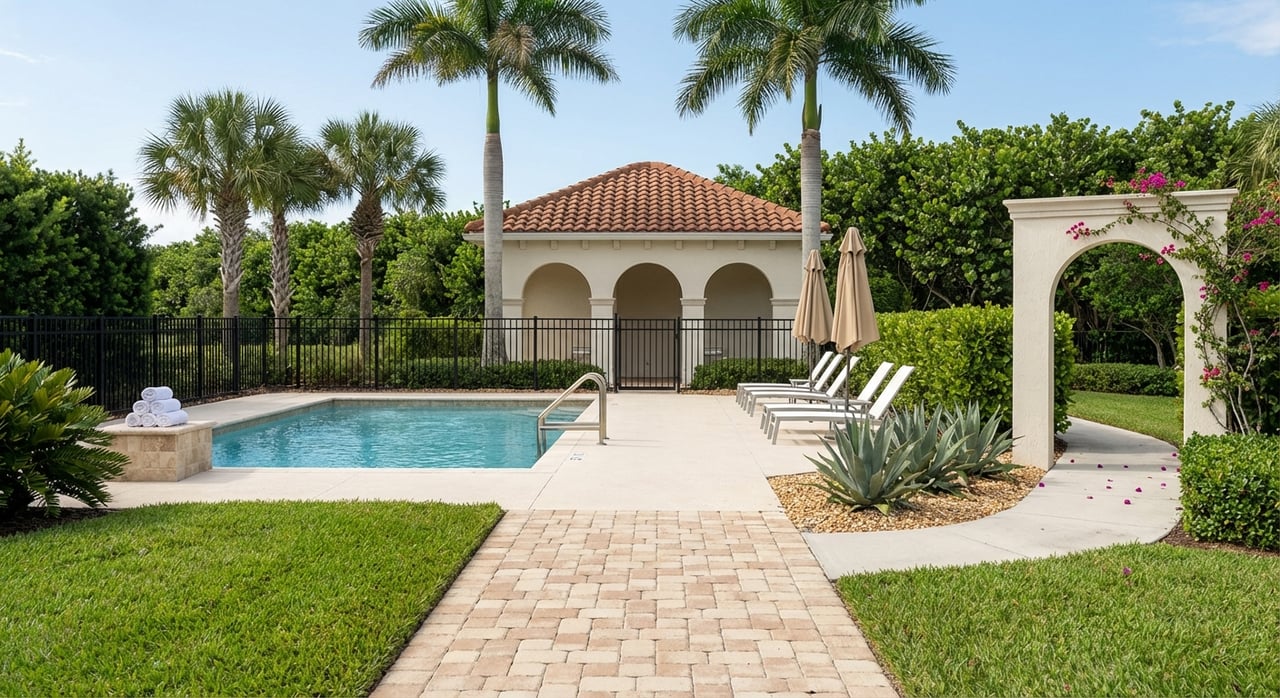
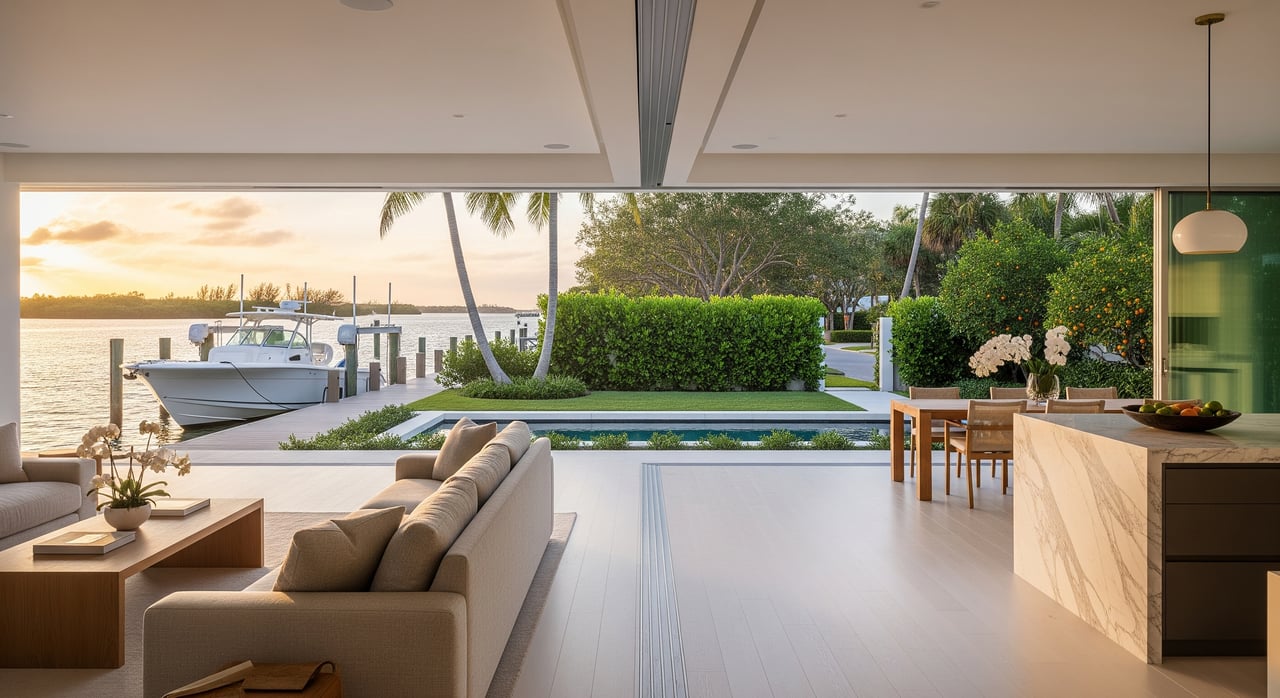
If you want easy beach access, building amenities, and low exterior maintenance, a beach-area condo can be a great fit. You will likely pay higher association dues and face stricter rules, but you will trade that for convenience and security.
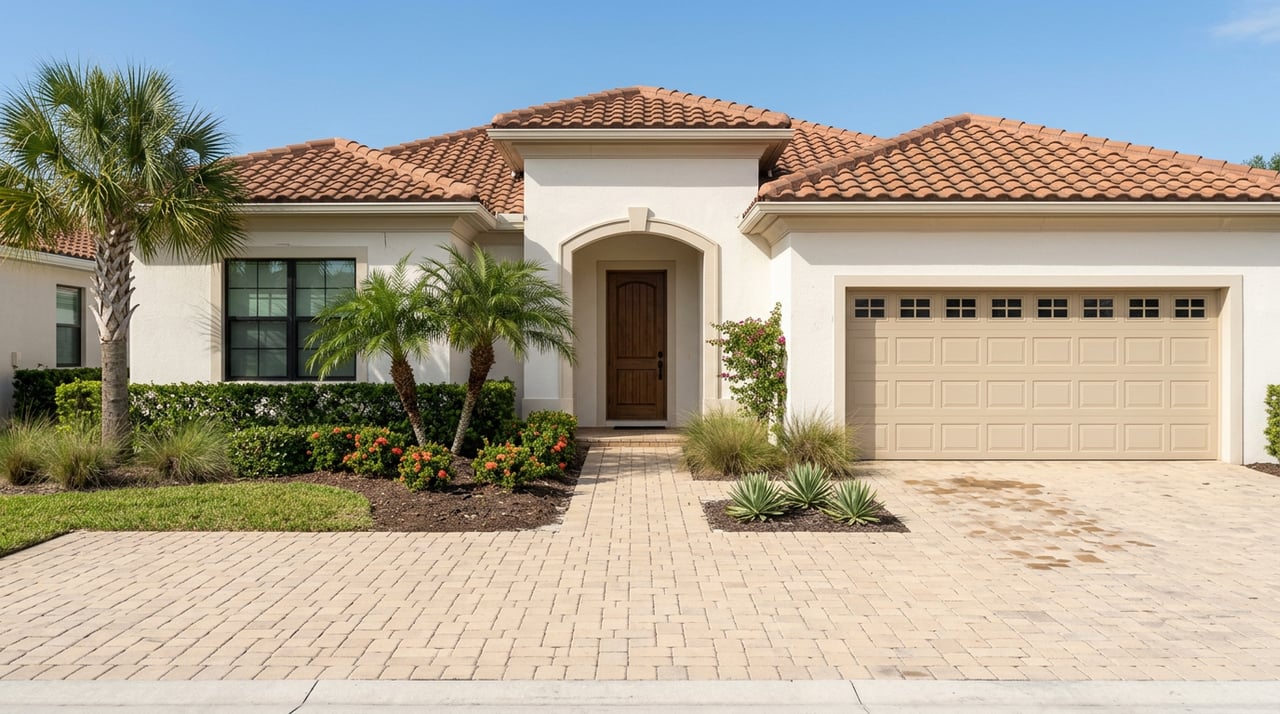
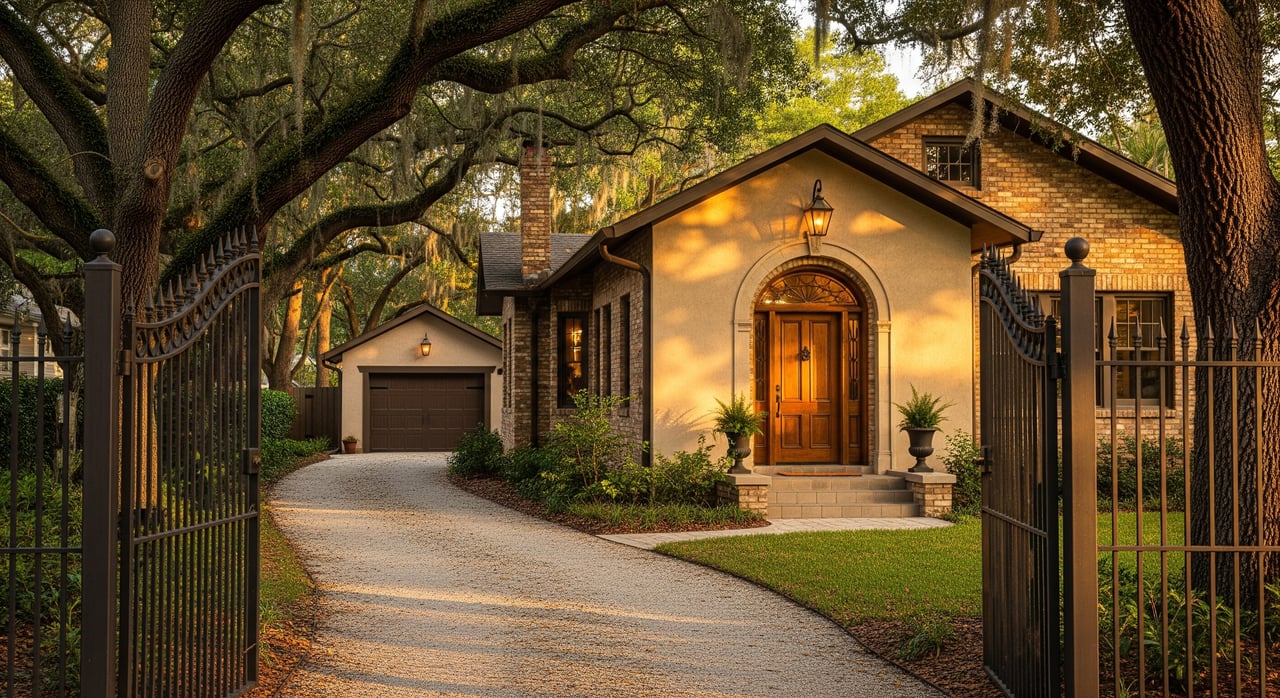
If you want a private yard, a garage, more storage, and year-round neighborhood rhythm, downtown single-family homes and townhomes offer control and space. You will take on your own exterior upkeep, but financing and insurance can be more straightforward.
Beach condos span a wide range of prices, from older one-bed units to luxury gulf-front residences. Waterfront exposure often pushes prices higher on a per-square-foot basis, especially for renovated and amenity-rich buildings.
Downtown Clearwater single-family homes and townhomes also cover a broad band. Many will be more affordable on a total dollar basis than gulf-front condos, though renovated properties or homes near parks or the harbor can approach similar prices.
Financing is often simpler for single-family homes. Condos require the lender to review the association’s budget, reserves, insurance, and owner-occupancy. FHA and VA financing add extra project-approval steps. Get lender guidance early, and ask upfront whether your target condo association meets the program you plan to use.
Beach condominiums generally carry higher monthly dues. The building’s master insurance, wind and storm coverage, elevators, pools, security, and coastal maintenance drive these costs. Healthy reserves matter, since coastal buildings plan for hurricanes and long-term repairs.
Downtown townhomes or small condo buildings usually have leaner dues, especially if amenities are minimal. Many downtown single-family homes have no HOA. Whether beach or downtown, the association’s financial health can affect your monthly costs and resale value.
Before you write an offer, request key disclosures: current budget, reserve study, recent meeting minutes, insurance certificates, deductible amounts, litigation status, rental rules, and the history of special assessments. Stable reserves and clear planning lower the risk of large surprise costs later.
Barrier-island properties face more wind and storm surge exposure, which can mean higher premiums and separate flood policies. Condo owners typically rely on a master policy for the structure, then carry an HO-6 policy for interiors and contents. Depending on the setup, you may also need flood coverage for your unit’s improvements.
Downtown homes vary by block and elevation. Some areas sit in higher-risk flood zones, while others are less exposed. Either way, get insurance quotes early so you can budget for hurricane deductibles, wind coverage, and any flood needs.
Use the FEMA Flood Map Service Center to confirm flood zones and request an elevation certificate when available. For flood coverage basics and options, review the National Flood Insurance Program basics. You can also watch the state’s insurance environment through the Florida Office of Insurance Regulation.
Condo life favors convenience. The association handles exterior upkeep, landscaping, amenities, and security. You can lock and leave with peace of mind, which suits seasonal stays, travel, or a low-maintenance lifestyle.
The flipside is control. You have limited say over exterior changes, you must follow building rules, and you may experience neighbor noise or elevator downtime. Parking for guests can also be tight during peak season.
Downtown single-family or townhome living gives you space and control. You get a garage, storage, and often a yard for pets or gardening. You also take on your own roof, landscaping, and storm prep, which can add time and cost.
On the beach, many buildings offer assigned spaces and limited guest parking. Street and public lots can be crowded in peak season. If you host often, confirm guest parking rules and costs.
Downtown offers a mix of street parking, municipal lots, and garages. Most single-family homes include driveways or garages, though event weekends around Coachman Park can tighten parking. For transit options serving both downtown and the beach, check PSTA bus routes.
Clearwater Beach delivers a resort atmosphere with waterfront dining, bars, and water sports. You will walk to Pier 60 activities and sunset shows, with high energy during tourist peaks. Daily services like large supermarkets are more limited on the sand, so plan short drives for errands.
Downtown Clearwater offers restaurants, cafés, parks, civic spaces, and year-round events. You will find a growing dining scene and everyday services within a short drive or bike ride. For city resources and event calendars, explore the City of Clearwater official site.
Short-term stays may be strongest near Clearwater Beach, but you cannot assume vacation rental income. Many condos restrict short-term rentals or require long minimum stays. You must confirm association rules, city and county ordinances, licensing, and tax obligations before you buy.
Downtown homes often fit long-term tenants like local workers and families, which can yield steadier, less seasonal occupancy. Either strategy can work if you align the asset with the allowed rental type and your goals.
Verify local rules, registration, and business tax receipts with the city and county. Review your association’s bylaws, minimum lease terms, and occupancy limits before you underwrite returns.
Beachfront real estate can be resilient, especially in well-run buildings with strong maintenance and reserves. That said, storm exposure, insurance costs, and association finances can affect liquidity and appreciation from year to year.
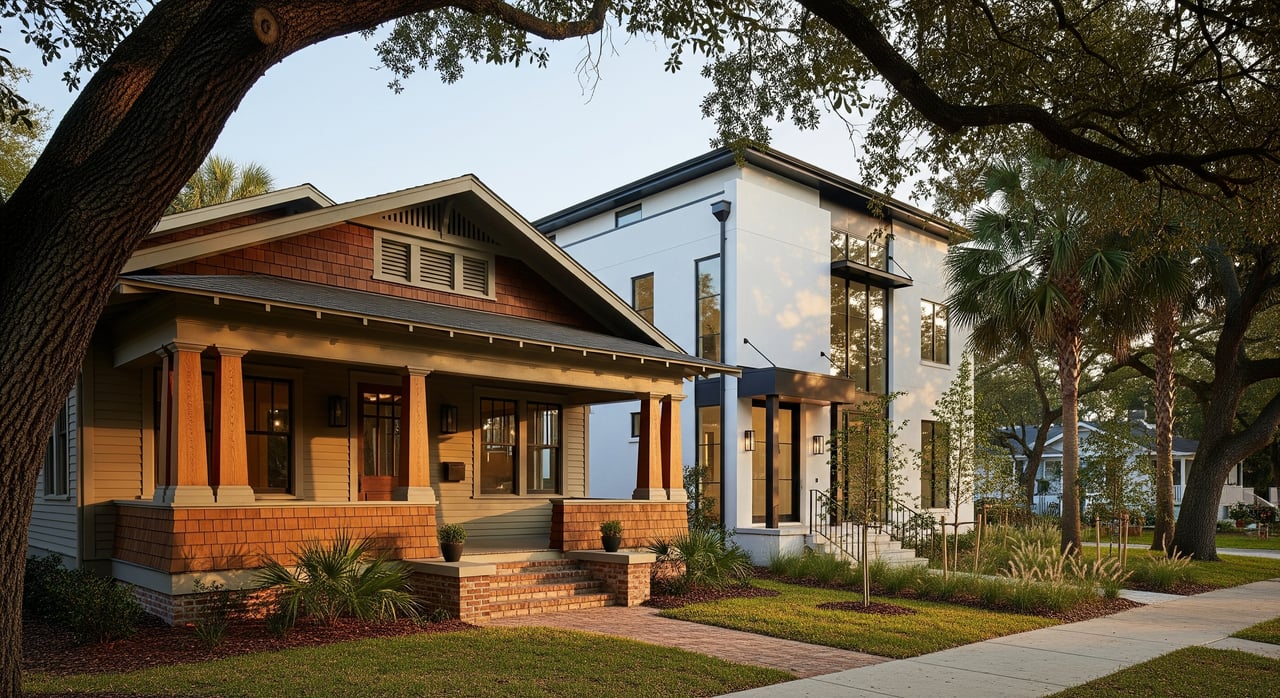
Downtown single-family homes and townhomes often attract a broader buyer pool, including year-round residents and commuters. This can help with resale in varied market conditions. Regardless of location, clean inspection reports and clear documentation on insurance and HOA strength support value.
Start with your non-negotiables. If daily beach walks, a staffed lobby, and hassle-free exterior upkeep are must-haves, a beach condo likely wins. If you want a garage, a yard for pets, and predictable parking for guests, a downtown single-family home or townhome may be the better lifestyle and budget match.
Next, stress-test the monthly numbers. Compare HOA dues, insurance quotes, and likely repairs for a home to the condo’s dues and assessments history. Budget for reserves and set aside funds for storm-related deductibles.
Finally, match the property to your use plan. For second homes or seasonal stays, a lock-and-leave condo is convenient. For primary residences or long-term rentals, downtown homes often align with steadier year-round living.
Ready to talk through specific buildings and blocks, run live comps, or review HOA packages? Reach out to Ryan Newtonblock for one-on-one guidance, local insight, and a clear action plan.
Ryan Newton-Block, a distinguished agent at Charles Rutenberg Realty Inc., merges his passion for people and properties, transforming the home-buying and selling process into an unforgettable journey that leads to lifelong dreams fulfilled. With Ryan, every house becomes a home, and every client becomes family, as he guides them through the ever-changing landscape of real estate with expertise, integrity, and a touch of genuine charm.