What Waterfront Living In St. Petersburg Really Means
Waterfront living sounds simple until you start looking in St. Petersburg. Here, “on the water” can mean a condo near the Pier, a historic home near Coffee Pot Bayou, or a property in one of the city’s canal-linked east-side neighborhoods. If you’re trying to figure out what that lifestyle really looks like day to day, this guide will help you understand the mix of access, scenery, convenience, and planning that comes with it. Let’s dive in.
In St. Petersburg, waterfront living is less about one continuous strip of private waterfront and more about a connected lifestyle. City planning describes downtown’s waterfront as a park-like U-shape along the east side of downtown, stretching nearly seven linear miles from Coffee Pot Park to Lassing Park.
That layout matters because your experience of the waterfront often includes public parks, walking paths, cultural destinations, and easy access to the bay. In many parts of St. Pete, living near the water means you are also living near places to stroll, bike, dine, and spend time outdoors.
One of the biggest draws of waterfront living in St. Pete is how easily the water connects to everyday life. The North Bay Trail runs from Demens Landing Park to Rio Vista Park and passes the Pier and Coffee Pot Bayou, extending into Historic Old Northeast.
That means your “waterfront lifestyle” may feel less like a secluded coastal compound and more like having scenic routes and public spaces woven into your routine. You might walk along the bay in the morning, grab dinner off Central Avenue, and still be home in minutes.
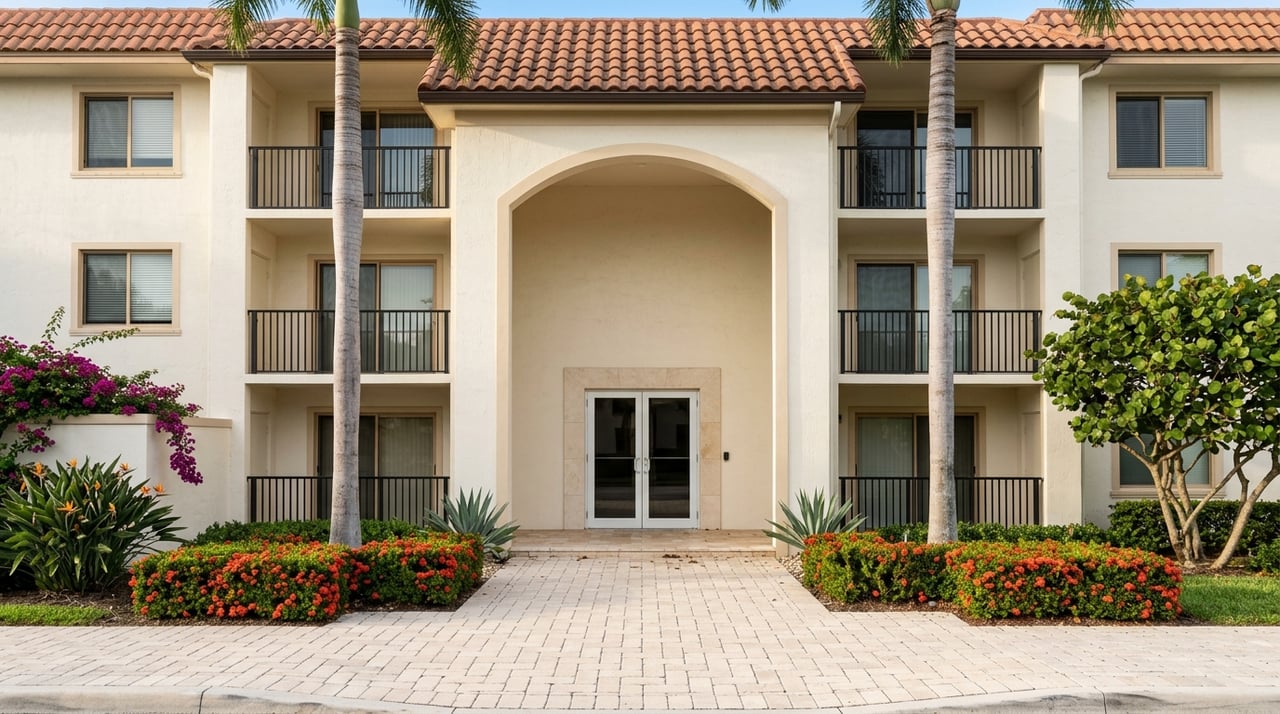
If you are focused on downtown, the housing mix usually leans toward condos and mixed-use buildings. The Pier District, Waterfront Museum District, and Central Avenue corridor are closely tied to public space, dining, transit access, and cultural venues.
For many buyers, that creates a clear tradeoff. You may get strong walkability and easy access to parks, restaurants, and events, but likely with less private outdoor space than you would find in a detached home.
Old Northeast, also called the North Shore Historic District, gives you a different version of waterfront living. It sits north of downtown on relatively high, well-drained land that slopes toward Tampa Bay and Coffee Pot Bayou.
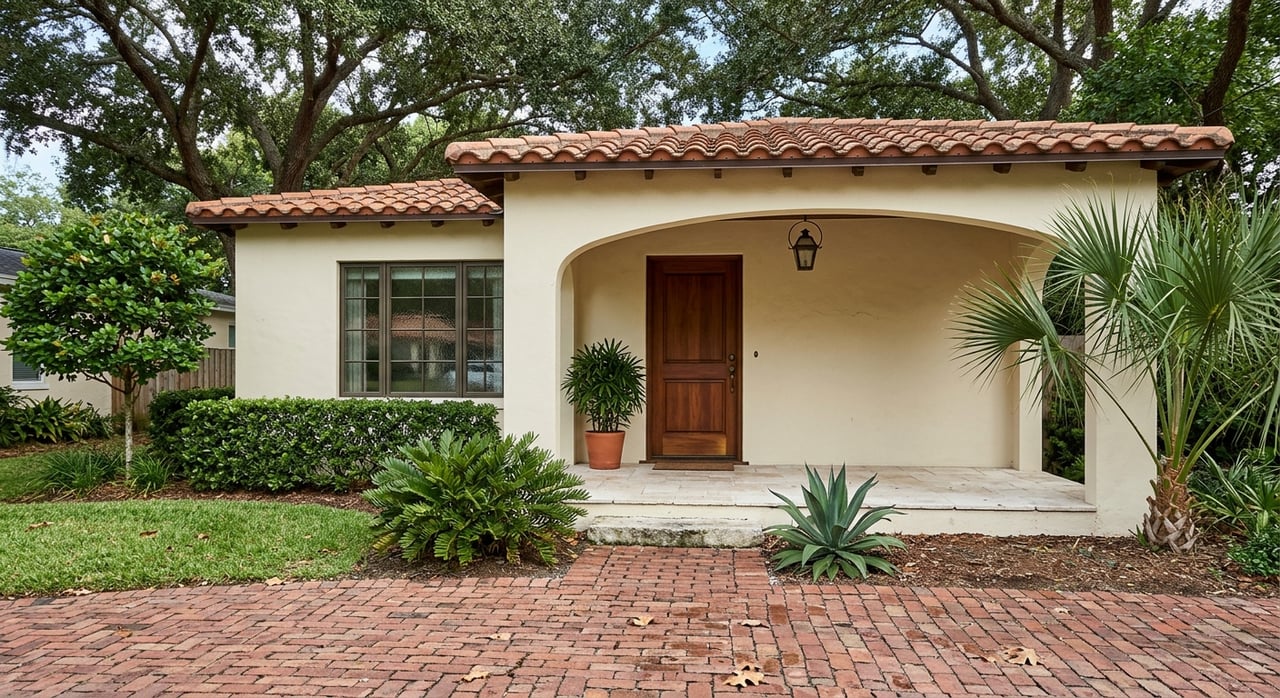
This area includes an eclectic mix of early- to mid-20th-century homes and apartment buildings, with one- and two-story residences in styles such as Craftsman/Bungalow, Mediterranean Revival, Ranch, and Frame Vernacular. For buyers comparing options, Old Northeast often feels more residential and architectural, while still staying connected to the bay and downtown amenities.
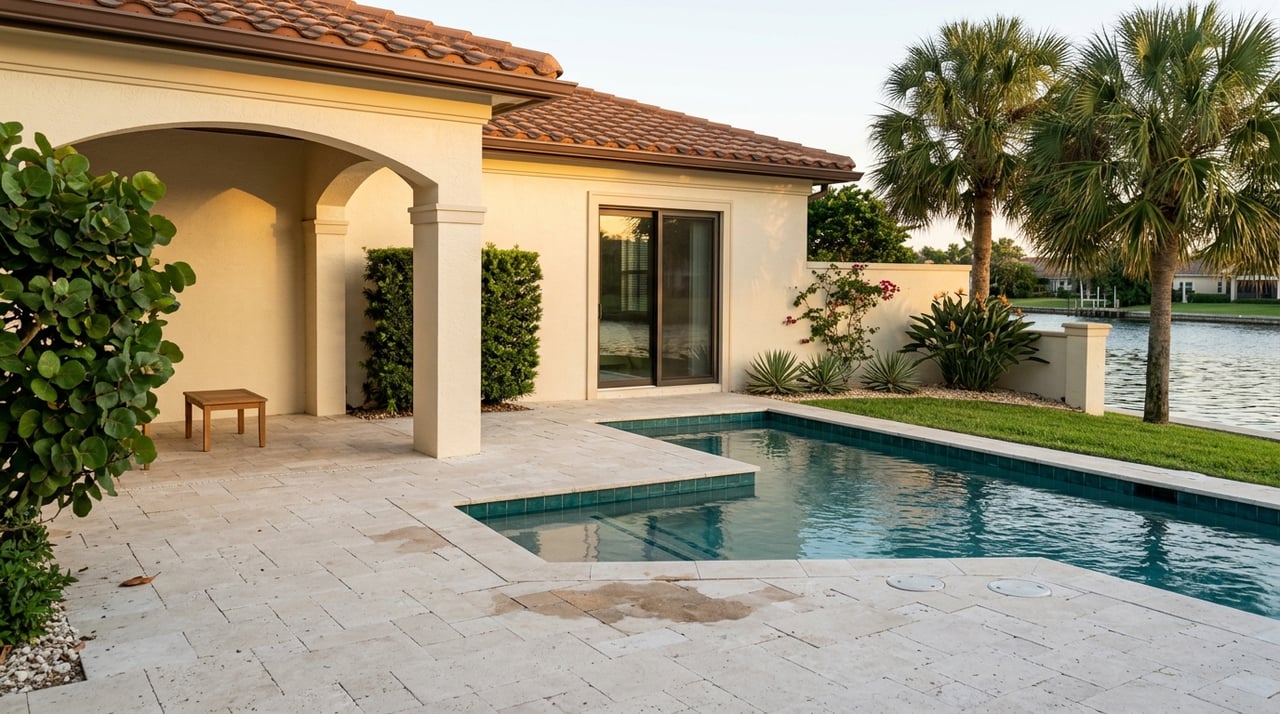
If your picture of waterfront living includes canals, boating, and homes more directly tied to the water, buyers often compare east-side neighborhoods like Snell Isle, Shore Acres, and Venetian Isles. Snell Isle is noted for Spanish and Italian architectural styles and remains a prominent residential community.
These neighborhoods can offer a more immediate water-oriented setting than downtown or Old Northeast. At the same time, they also come with a different planning and risk profile, especially when it comes to flooding and storm preparation.
For many residents, the waterfront is something you use regularly, not just something you look at from your window. Waterfront living in St. Pete often means easy access to Vinoy Park, North Shore Park, Spa Beach, and the St. Pete Pier.
The Pier itself functions as a true day-to-night destination. It includes green space, eateries, attractions, a bayside beach, and access to water activities, with parking and transit access that make it part of normal local life.
Another reason St. Pete’s waterfront stands out is that it connects directly to the city’s arts and dining scene. Central Avenue begins at the downtown waterfront and runs west through boutiques, galleries, restaurants, bars, murals, and the Central Arts District.
The Waterfront Museum District adds another layer, bringing together destinations like the Dali Museum, Mahaffey Theater, the Florida Orchestra, Al Lang Stadium, and the Saturday Morning Market within the same broader waterfront ecosystem. If you want a lifestyle that combines views with things to do, this is a major part of the appeal.
St. Petersburg’s waterfront identity also includes a strong boating presence. Harborage Marina at Bayboro offers 300 slips, fuel, overnight docking, and a restaurant just two minutes from the open bay, while Maximo Marina offers 623 slips and full-service amenities on the Intracoastal Waterway.
The city also supports boating activity with marine-focused public safety resources, including St. Pete Fire Rescue’s Marine Rescue and Dive Team and the Police Traffic Section’s Marine Unit. Events like the St. Petersburg Power & Sailboat Show add to that culture and make boating a visible part of life around the waterfront.
The biggest reality check with waterfront living in St. Petersburg is flood risk. Pinellas County states that everyone in the county is in a flood zone, and it also makes clear that flood zones and evacuation zones are not the same thing.
Evacuation zones are based on storm-surge risk, while insurance and lending requirements may depend on flood-zone classification. The county also notes that most homeowners and renters insurance policies do not cover flood damage, and federally backed mortgages require flood insurance in Special Flood Hazard Areas.
It is easy to assume that a higher-floor condo solves the flood issue, but that is not always the case. Pinellas County warns buyers not to assume an upper-floor unit is fully protected if the building’s ground level floods.
That can affect building systems, access, parking, and even your ability to use the property normally after a storm event. In other words, the water view is only part of the equation. The building, the site, and the surrounding roads matter too.
Waterfront ownership also tends to come with more upkeep. Coastal guidance cited in the research notes that salt air and moisture can affect material choices, and metals corrode faster near the ocean.
In practical terms, that can mean more attention to docks, rails, HVAC equipment, windows, exterior finishes, and storm preparation. If you are comparing a waterfront property to an inland one, this is an important part of the long-term cost and effort conversation.
When you tour waterfront property in St. Pete, it helps to look beyond the first impression. The view may be the headline, but the day-to-day details usually shape whether the home truly fits your lifestyle.
A few practical questions can help:
In St. Petersburg, waterfront living is not one single experience. It can mean a walkable condo near the Pier, a historic home close to Coffee Pot Bayou, or a more directly water-linked property in neighborhoods like Snell Isle, Shore Acres, or Venetian Isles.
The common thread is that the waterfront here blends scenery with public parks, arts, dining, boating, and daily outdoor access. The tradeoff is that buyers need to think carefully about flood planning, building resilience, and maintenance. If you go in with a clear picture of both sides, you can make a much smarter move.
If you want help comparing St. Pete waterfront options with a local, practical lens, Ryan Newtonblock can help you sort through the lifestyle fit, property tradeoffs, and neighborhood differences with direct, hands-on guidance.
Ryan Newton-Block, a distinguished agent at Charles Rutenberg Realty Inc., merges his passion for people and properties, transforming the home-buying and selling process into an unforgettable journey that leads to lifelong dreams fulfilled. With Ryan, every house becomes a home, and every client becomes family, as he guides them through the ever-changing landscape of real estate with expertise, integrity, and a touch of genuine charm.